

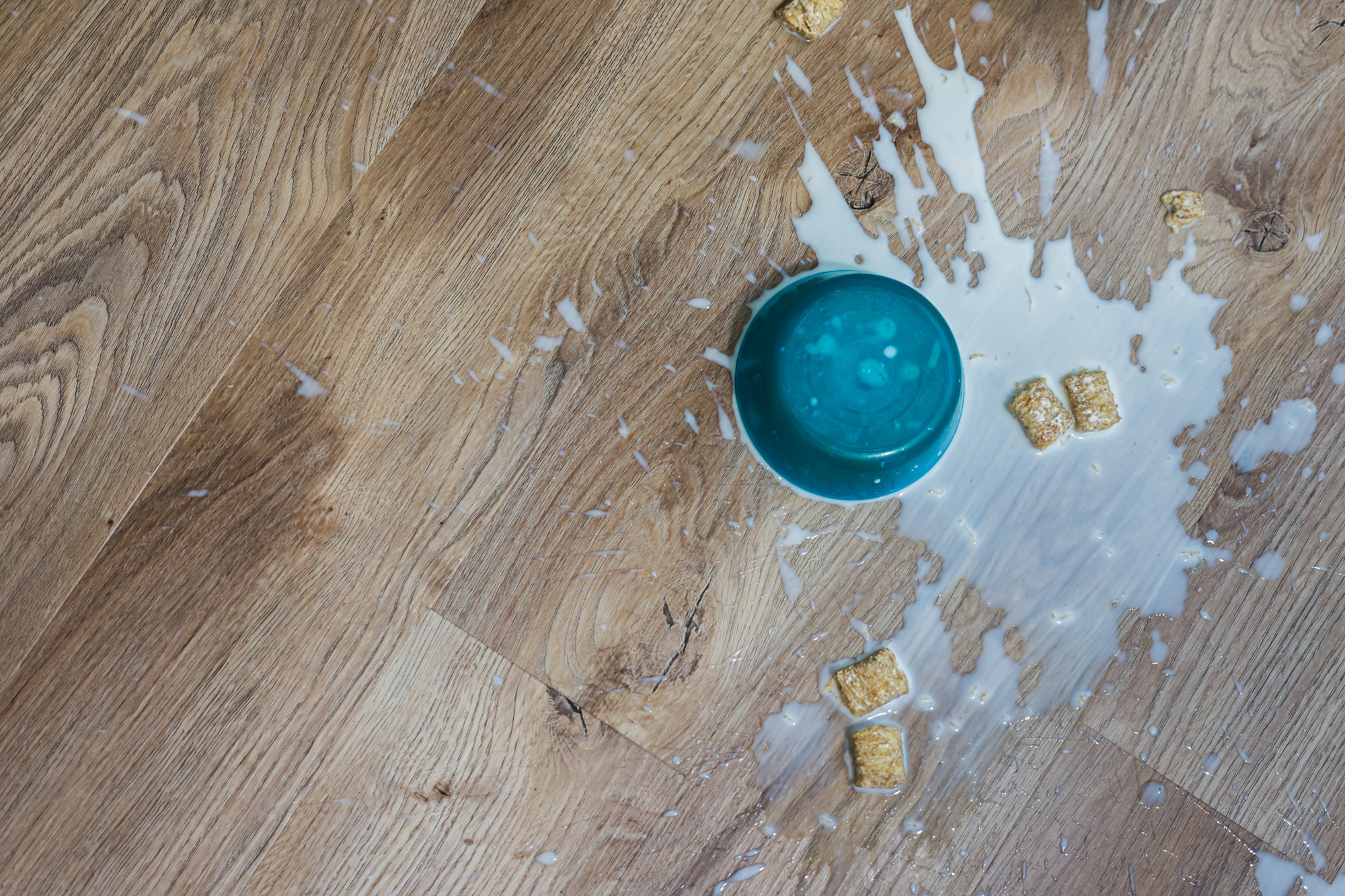
Laminate flooring has become a popular choice for homeowners who want the appearance of wood with straightforward everyday maintenance. However, not every laminate product offers the same level of protection against moisture.
When comparing waterproof laminate flooring with standard laminate, it helps to understand how the core, joints, surface, and installation system work together. The differences can influence where the flooring is suitable, how quickly spills need attention, and what precautions you should take during installation.
How Standard Laminate Handles Moisture
Traditional laminate flooring generally consists of a decorative layer over a fiberboard-based core, supported by additional layers that contribute to the plank's structure and stability. The surface can resist everyday wear and some spills, depending on the product, but moisture reaching the core may cause swelling or distortion. Once the core has swollen significantly, the affected plank may not return to its original shape after drying.
That does not mean standard laminate is unsuitable for every busy room. It can work well in appropriate residential spaces when installed and maintained according to the manufacturer's instructions. The important point is to understand its limitations and avoid exposing it to standing water or excessive moisture.
What Makes Waterproof Laminate Different?
Waterproof laminate flooring is designed with additional protection intended to limit water penetration through the product and its joints for a specified period or under defined conditions. Depending on the product, this may involve a specially treated core, tighter joint construction, protective coatings, or a combination of features. Some products are marketed as waterproof, while others are described as water-resistant, so those terms should not be treated as interchangeable.
Always check the manufacturer's definition of waterproof performance. A claim may apply to surface spills under particular testing conditions rather than prolonged flooding, moisture coming from below, or every part of the installed floor assembly. Waterproof construction can improve convenience, but it does not make a room immune to leaks or subfloor moisture.
Where Each Type Makes Sense
Standard laminate may be suitable for bedrooms, living rooms, and other areas where spills are limited and the product's specifications match the room's conditions. Waterproof laminate may be worth considering in kitchens, dining areas, entryways, and other spaces where spills are more likely. The correct choice still depends on the product's approved installation locations and moisture limitations.
For Buffalo-area homes, winter weather can bring wet footwear, melting snow, and tracked-in grit into entryways. If laminate is being considered for these spaces, compare the product's water protection and cleaning requirements carefully. Neither option should automatically be installed in a location with recurring water intrusion or persistent dampness without first resolving the underlying issue.
Installation Still Determines Performance
Even a product marketed as waterproof needs proper laminate installation. The subfloor must meet the manufacturer's requirements, and the installer needs to follow the specified expansion gaps, underlayment instructions, locking-system procedures, and transition details.
Moisture testing may also be necessary depending on the subfloor and product. A waterproof surface does not prevent moisture from affecting unsuitable materials underneath it. Pay attention to the warranty as well. Review any conditions involving standing water, plumbing leaks, installation methods, and cleaning practices before purchasing.
Compare Value, Not Just the Label
Laminate flooring trends 2027 are expected to continue emphasizing realistic wood visuals, warmer colors, textured surfaces, and understated finishes. Those design choices are available across different performance categories, so you do not have to sacrifice appearance to compare practical features.
Instead, decide how much moisture exposure the room is likely to experience and compare the specifications that address it. Standard laminate may be sufficient for a dry, low-risk space, while waterproof laminate may provide additional peace of mind in rooms with more frequent spills.
Carpet Factory Outlet can help you explore laminate flooring options and compare product features for your home. Visit our showroom at Buffalo, NY, Cheektowaga, NY, Amherst, NY, East Amherst, NY to see colors and textures in person. Contact us today to discuss your flooring plans and find a laminate product suited to your rooms, maintenance preferences, and budget.


