

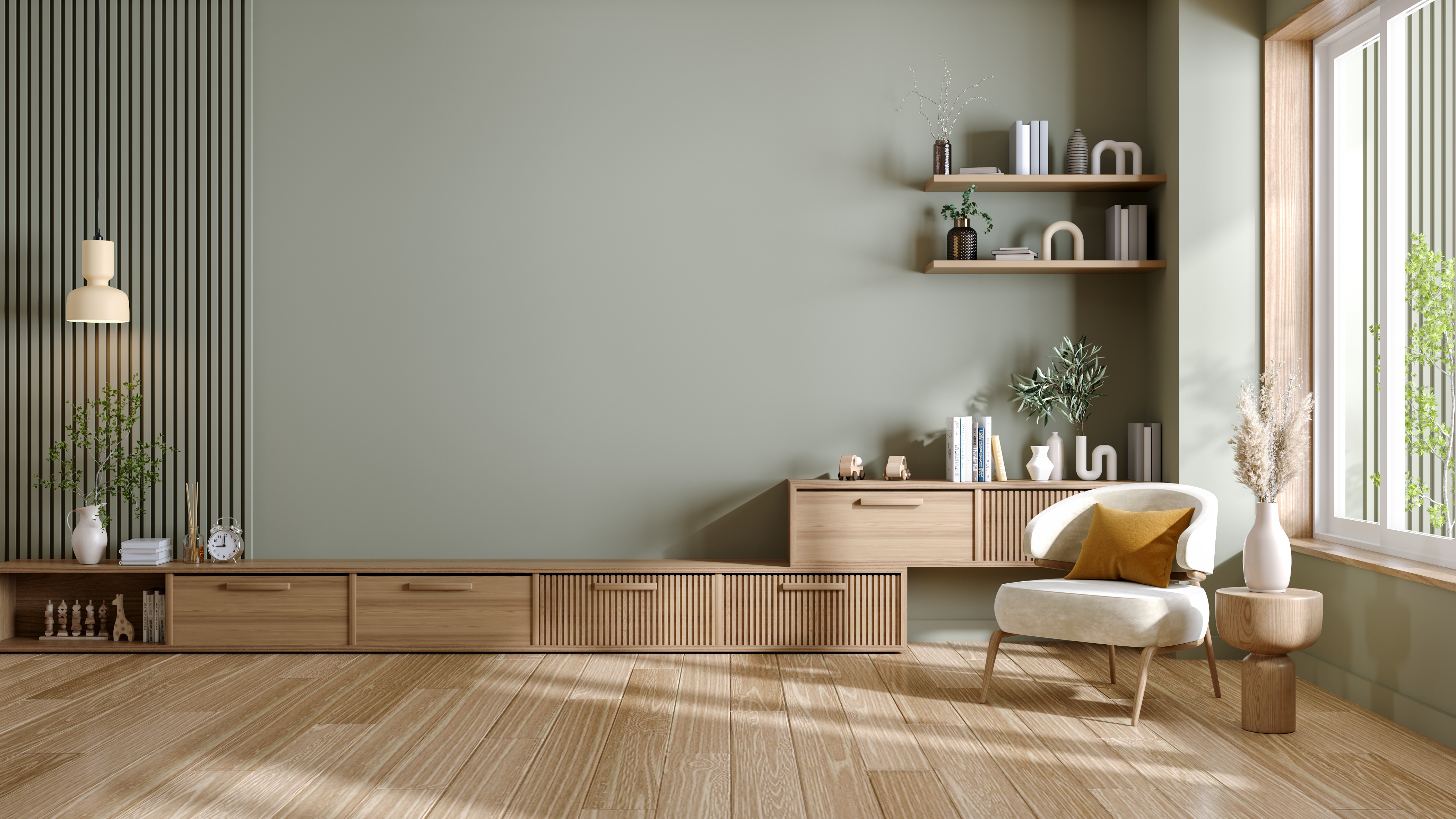
Hardwood flooring can bring warmth, character, and long-term appeal to a home, but choosing hardwood is only the beginning. You also need to decide which type of construction makes sense for your rooms. Solid hardwood flooring and engineered hardwood flooring are both genuine wood products, but they are built differently.
That difference affects where each can be installed, how the floor responds to changes in humidity, how it feels underfoot, and how much flexibility you have during installation. Understanding those distinctions can help you choose a floor that suits both your home and your plans for it.
Solid Hardwood Is Wood From Top to Bottom
Solid hardwood is milled from a single piece of wood. Traditional solid planks are commonly available in substantial thicknesses and can potentially be sanded and refinished multiple times over their service life. That refinishing potential is one of the major attractions of solid hardwood. If the surface eventually develops scratches, wear, or a dated finish, refinishing can provide an opportunity to restore the floor or change its appearance without replacing the boards.
Solid hardwood flooring is generally best suited to above-grade applications with an appropriate wood subfloor. Because the entire board is wood, it naturally responds to changes in moisture and humidity. Proper acclimation, installation, and indoor environmental conditions therefore matter.
Engineered Hardwood Has a Layered Construction
Engineered hardwood flooring also uses real wood, but its construction is different. A genuine wood veneer is bonded to a layered core, with the structure designed to improve dimensional stability compared with a solid wood plank. That stability gives engineered flooring greater installation flexibility.
Depending on the specific product and manufacturer's requirements, engineered hardwood may be suitable for areas where solid hardwood would be less practical, including some installations over concrete or below grade. The wood veneer also means engineered flooring can have the authentic appearance of hardwood without requiring the same solid construction throughout the plank. As with any flooring, product specifications vary, so the manufacturer's installation requirements should guide the final decision.
Consider Where the Floor Will Be Installed
Your room can tell you a lot about which construction makes sense. For an above-grade room with a suitable wood subfloor, solid hardwood may be an appealing option, particularly if long-term refinishing potential is a priority. For a room where moisture fluctuations or subfloor conditions make dimensional stability more important, engineered hardwood may offer practical advantages.
This distinction can be particularly useful when planning flooring throughout a Buffalo-area home. Older houses may have different subfloor structures from newer construction, and basements, additions, and remodeled spaces can present their own installation considerations. A professional assessment can help determine what the existing surface can support before you commit to a product.
Installation Method Can Differ, Too
Solid hardwood installation traditionally involves fastening the boards to an appropriate subfloor, although the exact method depends on the product and project. Engineered hardwood offers more installation possibilities, including products designed for nail-down, glue-down, or floating installation. That flexibility can simplify certain projects, but it does not eliminate the need for careful preparation.
The subfloor needs to be evaluated for flatness, cleanliness, moisture, and structural suitability. Transitions, door clearances, room dimensions, and the direction of the boards can also affect the installation plan. Whether you choose solid hardwood flooring installation or engineered hardwood flooring installation, proper preparation is essential to the finished result.
Think About Longevity and Your Design Goals
Solid hardwood's ability to be refinished repeatedly can make it attractive if you expect to stay in your home for many years. Engineered hardwood can also be refinished in some cases, but the number of possible refinishes depends on the thickness of its real-wood wear layer.
Your style preferences matter, too. Current hardwood flooring trends favor natural wood character, warmer tones, wider planks, and lower-sheen finishes. Those choices can provide a contemporary appearance without making the floor feel overly tied to a short-lived trend.
Carpet Factory Outlet can help you compare hardwood flooring options and determine which construction fits your rooms and installation requirements. Visit our showroom at Buffalo, NY, Cheektowaga, NY, Amherst, NY, East Amherst, NY to see colors, textures, and finishes in person. Contact us today to explore solid and engineered hardwood for your home.


